Published by M'sitting on 05/09/2019
Everything You Need to Know About House Sitting
House sitting, sometimes referred to as home sitting, is a way for individuals to exchange services without exchanging money.
House sitters look after homeowners' houses or apartments and, where necessary, take care of their pets while the owners are away. These absences can last from a few days to several months.
How Does It Work?
When you register with M'sitting, create your profile and fill it in as completely as possible.
Make your profile as appealing as you can, and don't forget to add photos.
To help M'sitting assign you a high confidence rating, we strongly recommend providing proof of identity, proof of address and a criminal record certificate.
Once your profile is complete, you can browse the available profiles and contact the members you are interested in directly.
Once the homeowners and house sitters have reached an agreement, they must complete and sign a standard house-sitting agreement, known in French law as a loan-for-use contract (Articles 1875 et seq. of the French Civil Code).
A template of this contract is available to download and print
here.
Homeowners must provide house sitters with a certificate of home insurance, while house sitters must provide homeowners with a certificate of personal liability insurance.
What Are the Benefits of House Sitting?
If you are a homeowner and need to be away from home for a holiday, work or family reasons, house sitting can be an ideal solution for several reasons:
Keeping your home occupied.
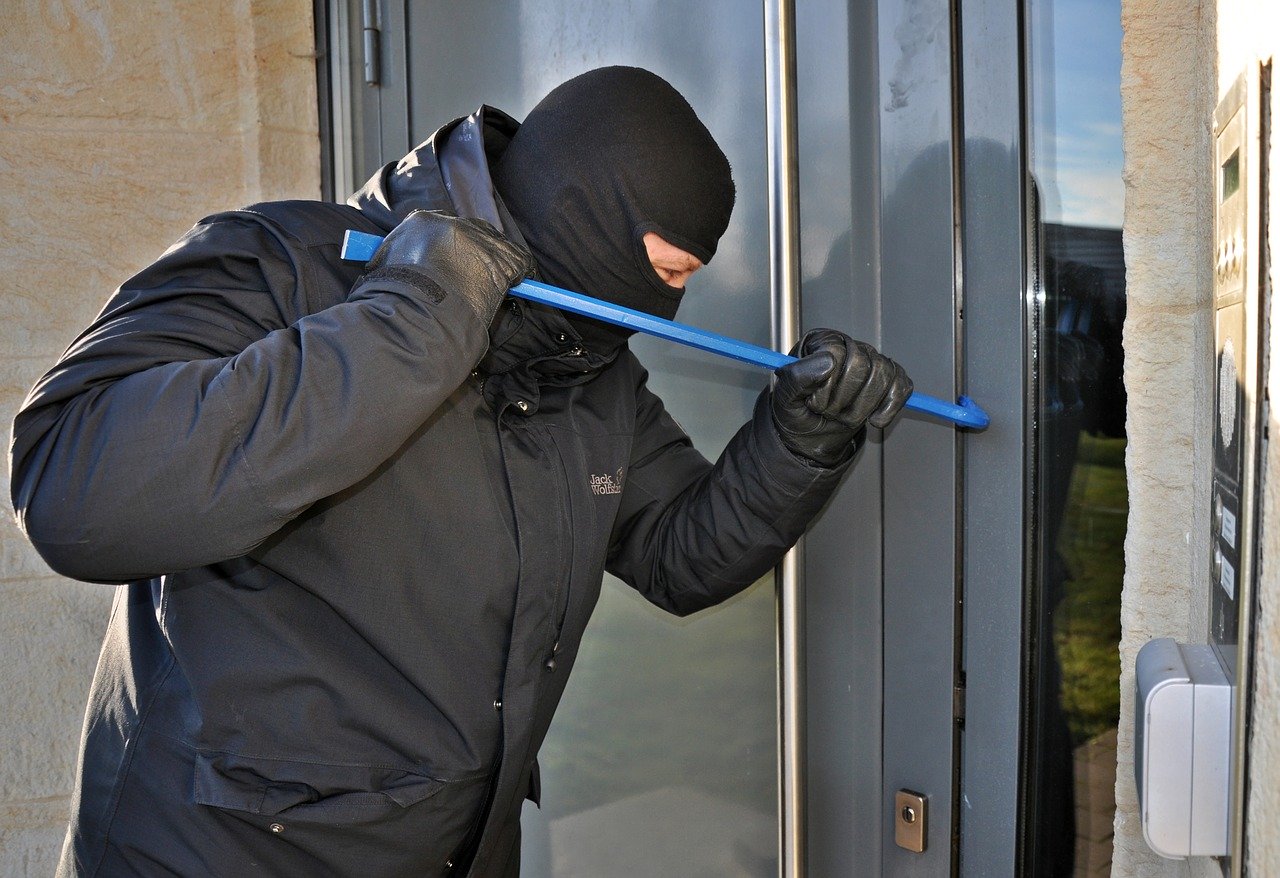
Having someone stay in your home may help reduce the risk of burglary.
Looking after your home.
House sitters can carry out the tasks you have agreed on together, such as watering plants, collecting the mail, looking after the garden, mowing the lawn and, where applicable, maintaining the swimming pool.
Having someone care for your animals.
If you have pets, such as dogs or cats, it is not always possible to take them with you when you travel.
Animals may feel stressed when placed in a boarding kennel or cattery, where they are away from their familiar surroundings and routines and may find the new environment uncomfortable.
With house sitting, your animals can stay in their usual environment and receive attention and affection while you are away.
This can make your absence easier for your four-legged companions to cope with. You can also enjoy greater peace of mind and save money on boarding fees.
If you have animals other than dogs and cats, such as horses, chickens, rabbits or sheep, you can look for house sitters with the skills needed to care for them.
If you are a house sitter and want to travel and discover new regions or countries once or several times a year, house sitting is a great way to stay somewhere without paying accommodation costs.
When you consider the cost of rental accommodation, the benefits of this arrangement become clear.
The money you save can give you more to spend on leisure activities, such as shows and restaurants, as well as transport, including flights and car hire.
This can allow you to travel more often, stay longer and explore places further afield.
If you love animals but cannot have any of your own because of limited time or space, house sitting gives you the opportunity to care for homeowners' animals as if they were your own throughout your stay.
Staying in someone's home can also make it easier to discover local life and customs.
How to Prepare for a House-Sitting Stay
House sitters generally arrive the day before the homeowners leave and settle into the room set aside for them.
After a tour of the property and an introduction to the animals, both parties go through a list prepared in advance by the homeowners. This list should include all the essential information needed to ensure that the stay runs smoothly.
For animals:
Meal and walk times, any medication or medical treatment, each animal's health records, their usual routines and their need for attention and affection.
For the home:
Instructions on how to use the equipment and appliances in the house or apartment.
Any tasks to be carried out indoors or outdoors should also be listed, such as collecting the mail, watering the garden and potted plants, and picking fruit and vegetables.
The list should also include all important telephone numbers and addresses.
Once the practical details have been covered, everyone can relax and get to know each other over an aperitif and a good meal. The homeowners can share information about the local area and recommend places worth visiting.
During the stay, the homeowners and house sitters should keep in regular contact to make sure everything is going well.
When the homeowners return, the house sitters may prepare a meal together with them. This provides an opportunity to review how the stay went, discuss the animals and share anything that happened during the homeowners' absence.
It is also a chance to get to know each other better, build friendships and perhaps arrange another house-sitting stay in the future.

Other articles for house sitters:
Other articles for homeowners :
Other articles that may be of interest to you: